Carbon accounting software built for hospitality & tourism
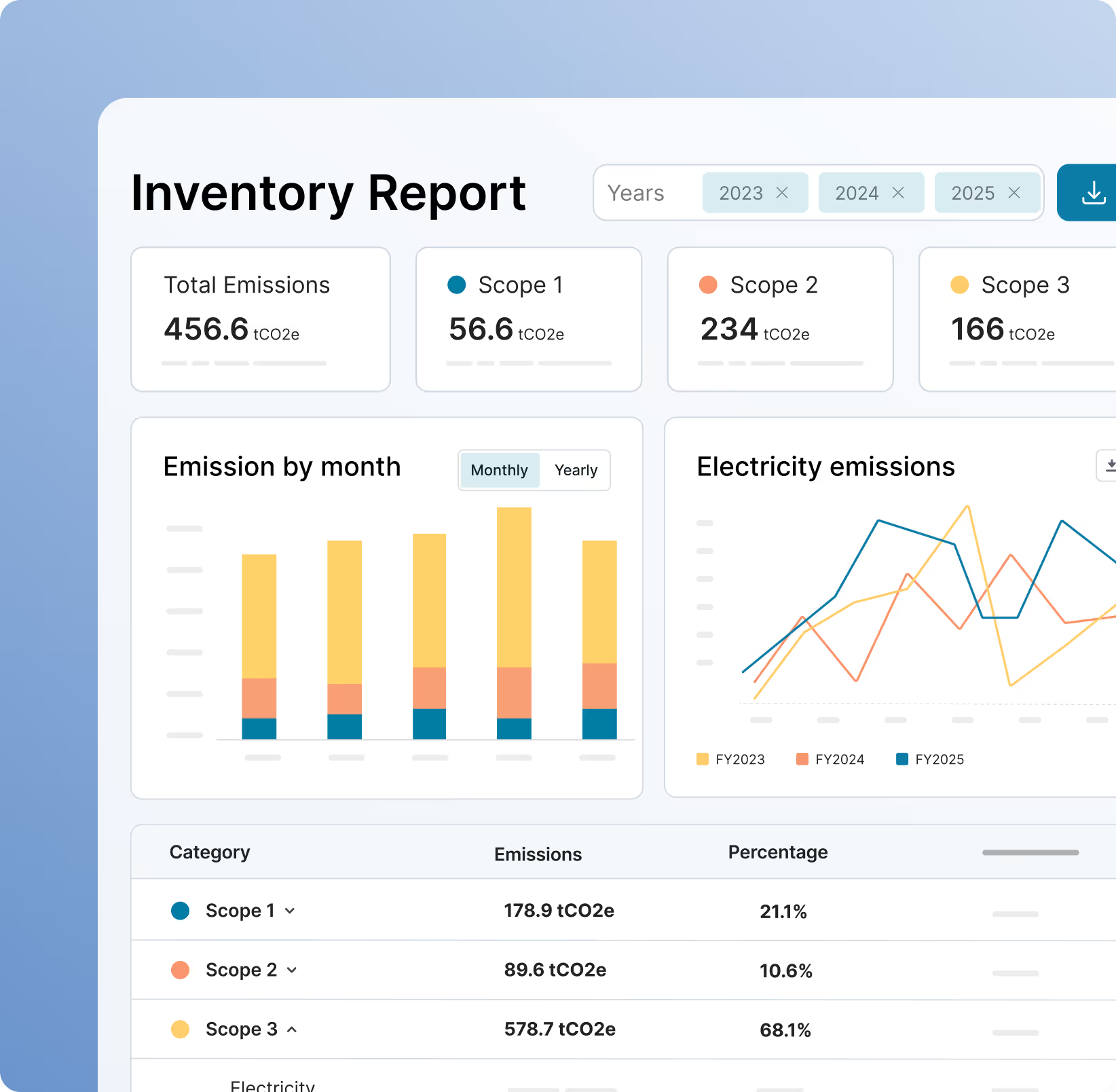
Hotels, pubs, venues, restaurants and tourism operators are now facing mandatory climate reporting. Spreadsheets won't cut it and your auditor will need more than a consultant's annual snapshot. Climate Zero is purpose-built for Australian hospitality and tourism businesses managing emissions across multiple sites, brands and supply chains.
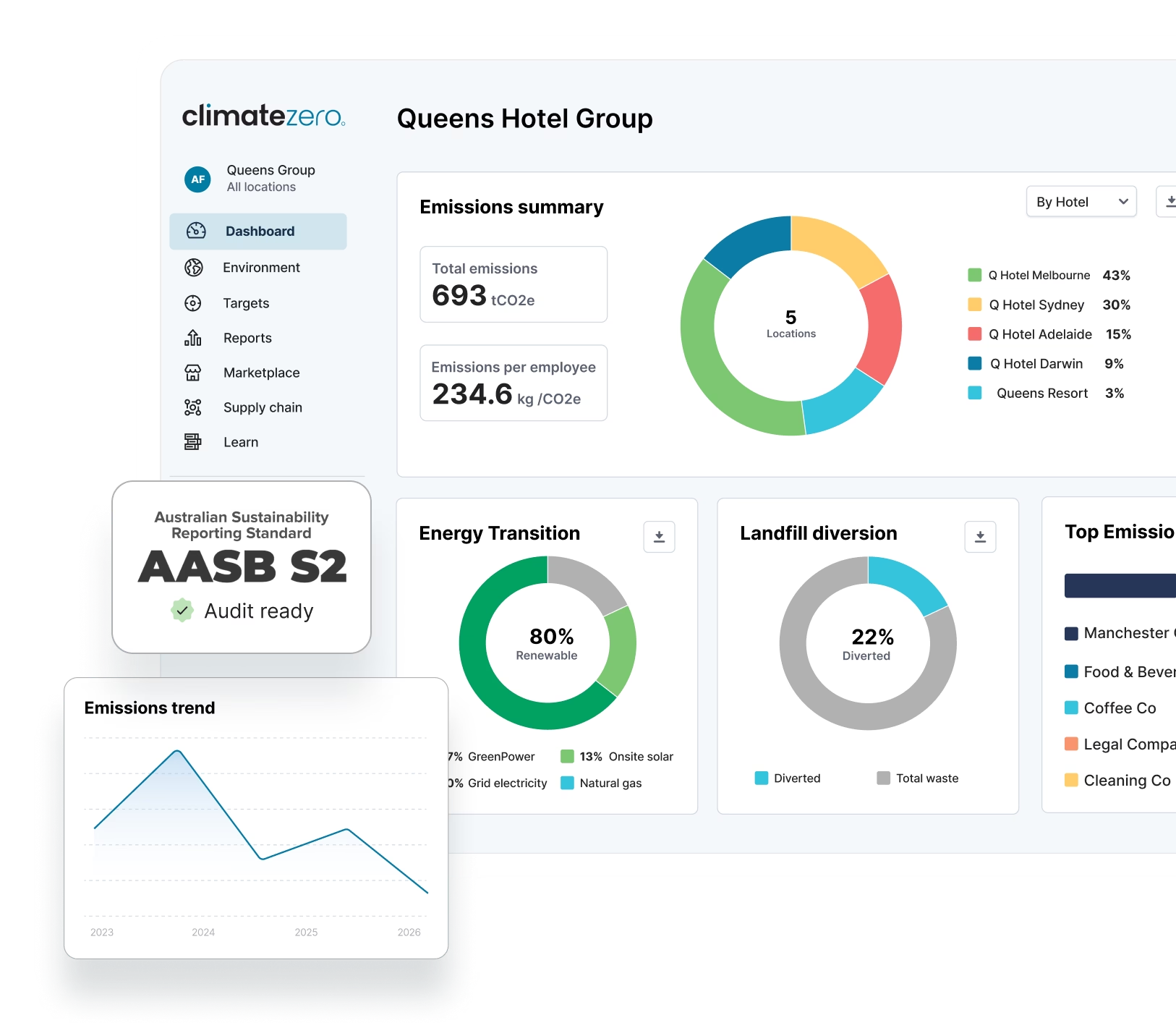
How it works
Hospitality & Tourism Emissions Reporting Guide
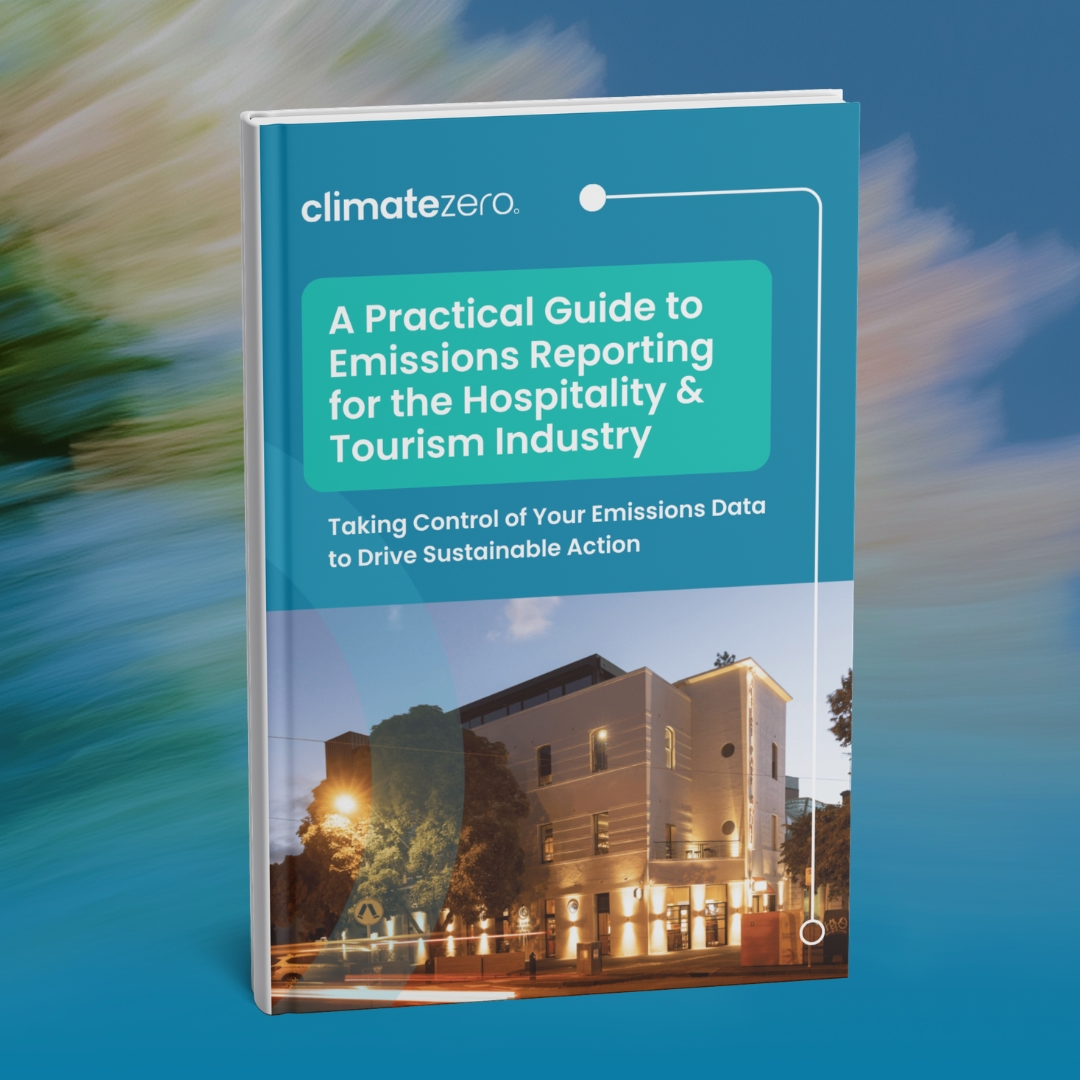
Not sure where to begin? Our emissions reporting guide, customised for the hospitality and tourism industry, is a great place to start.
Why carbon accounting is different for hospitality and tourism

Multi-site, multi-brand complexity
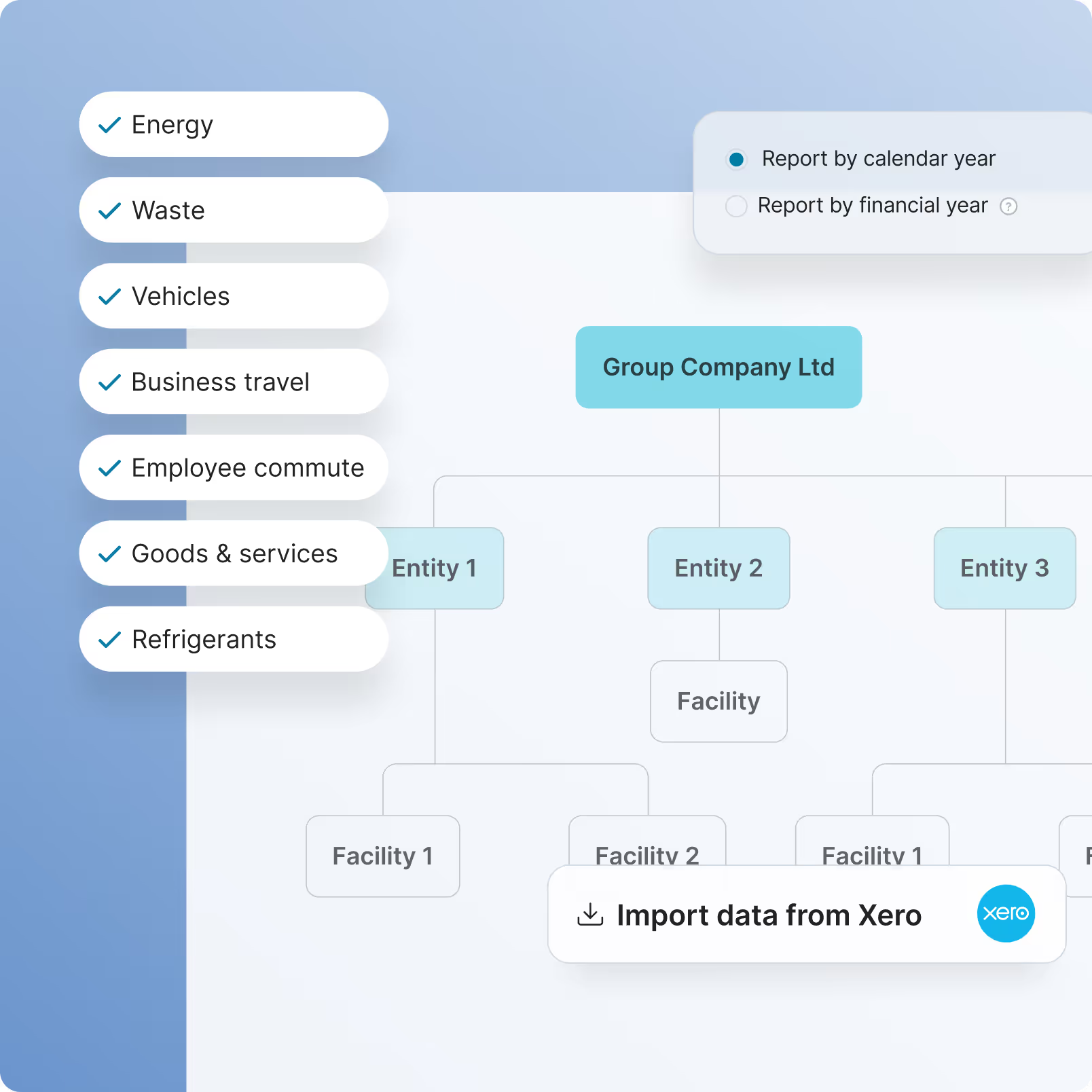
A 20-venue pub group, a 70-property hotel chain and a regional tourism operator with lodges across three states all have different structures, but each needs emissions data consolidated across sites, brands and entities. Climate Zero is configured to your group structure from day one.

Audit-ready, not just report-ready
Under AASB S2, your climate disclosures will be subject to limited assurance from year one and reasonable assurance, likely by 2030. Climate Zero produces data trails your auditor can actually verify.

Scope 3 is 80–90% of your emissions
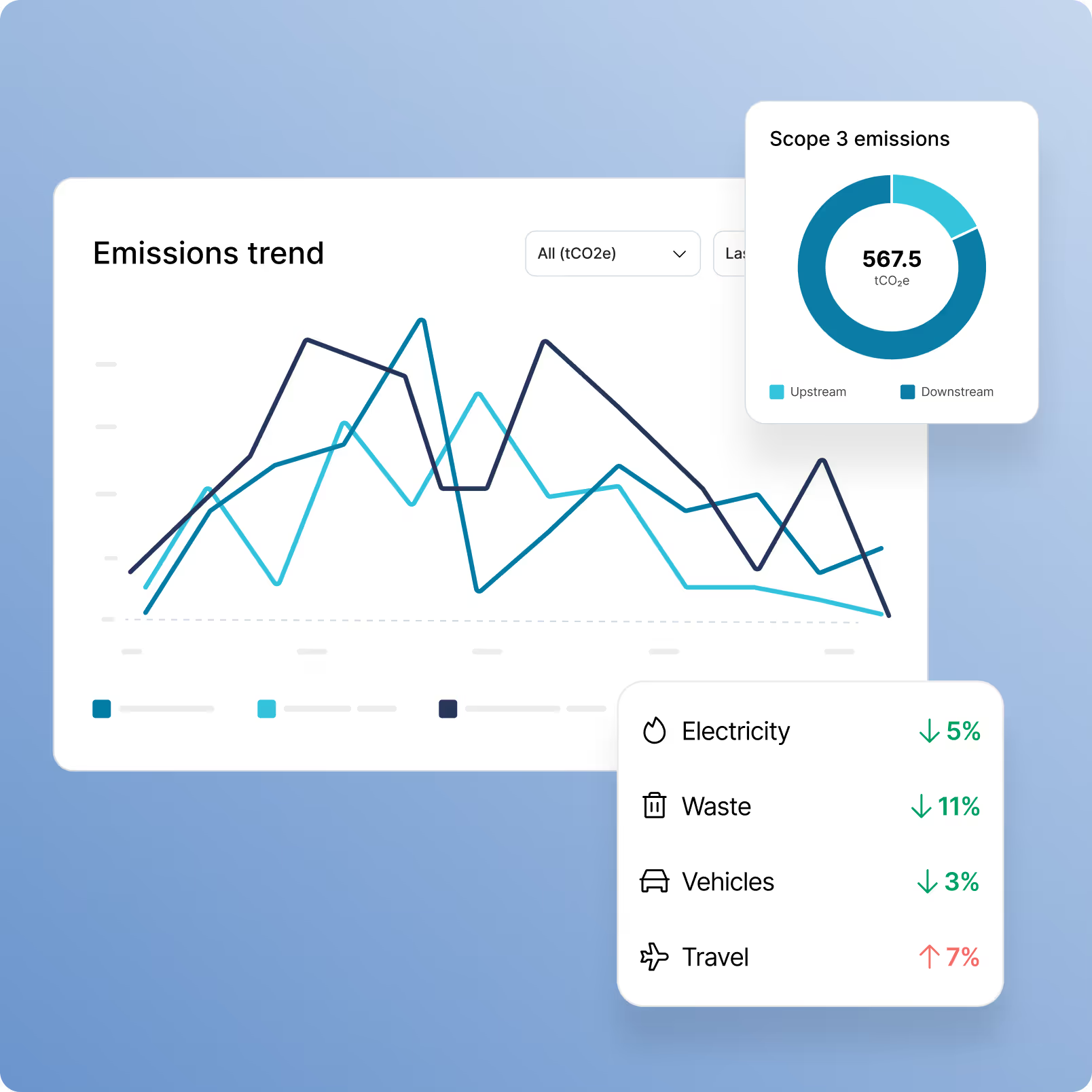
Energy bills are just the start. Your food and beverage supply chain, outsourced laundry, waste services and employee commute make up the vast majority of your carbon footprint - and they become mandatory to report from your second year under AASB S2.

Built for Australian regulation and certification
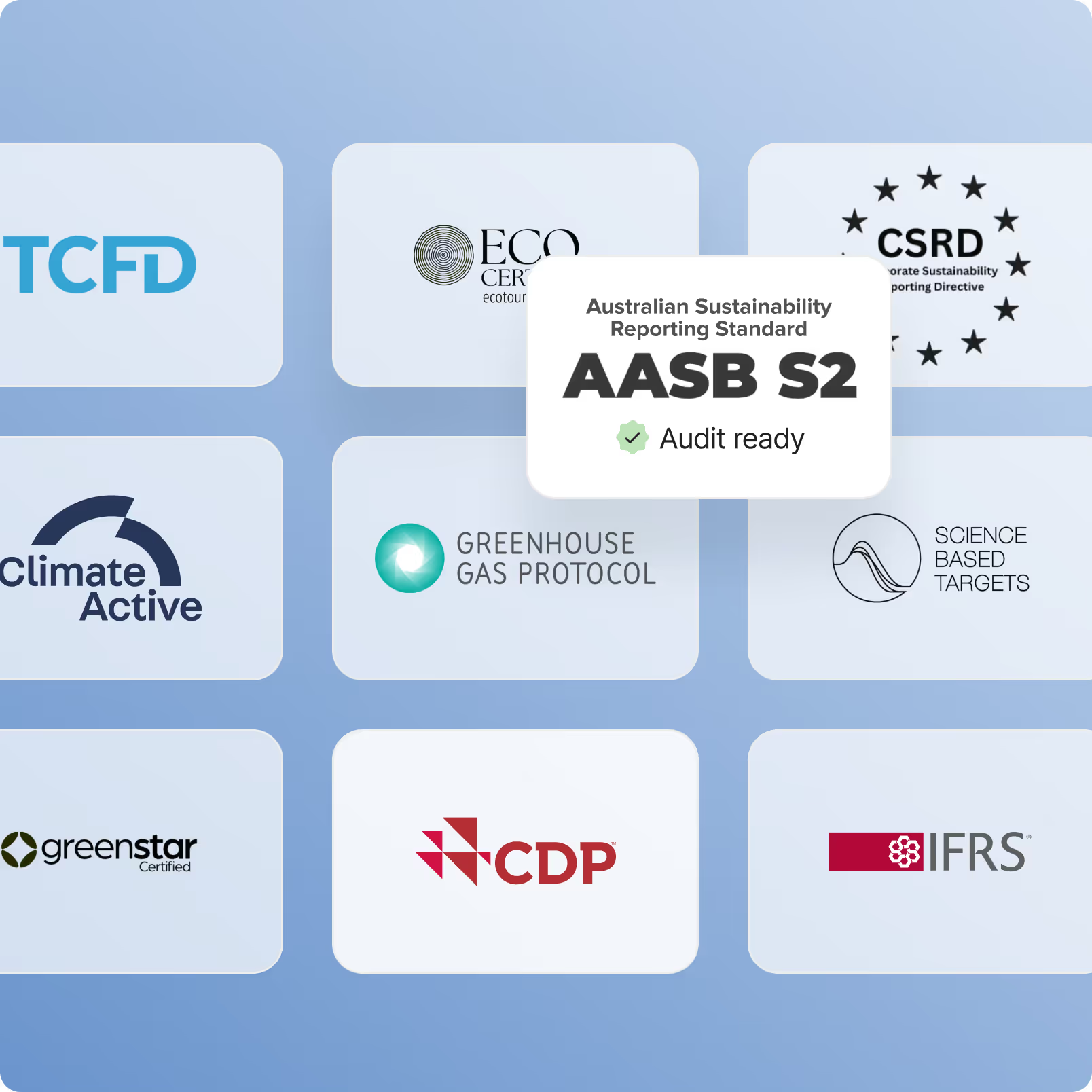
AASB S2. NGER. Climate Active. NABERS. Ecotourism Australia. B Corp. Few platforms are designed to support the full mix of Australian reporting and certification requirements. Climate Zero is, because we built it here, for businesses like yours.

Our experience helping tourism & hospitality companies
Discover how our carbon accounting software has helped companies like yours measure and reduce emissions.
Frequently asked questions
Which hospitality and tourism businesses need to report under mandatory climate reporting (AASB S2) legislation?
Any entity that prepares financial reports under Chapter 2M of the Corporations Act and meets at least two of three size thresholds. For Group 2 (commencing 1 July 2026), that's revenue of $200M or more, gross assets of $500M or more, or 250 or more employees. Many hotel groups, large pub operators, venue chains and tourism companies will be captured, often through the employee or asset threshold rather than revenue. A tourism group owning five or six properties could hold $500M or more in assets while generating less than $200M in operating revenue. Group 3 (commencing 1 July 2027) drops the thresholds further to $50M revenue, $25M assets, or 100 employees. Not sure which reporting group you fall under? Take our free quiz.
What emissions do hospitality and tourism businesses need to report?
In your first reporting year, you'll need to disclose Scope 1 emissions (gas, fuel, refrigerants) and Scope 2 emissions (purchased electricity). From year two, Scope 3 becomes mandatory and for hospitality and tourism, that's where 80–90% of your emissions sit. The biggest Scope 3 categories are typically food and beverage supply chains, purchased goods and services, outsourced services like laundry and waste, employee commuting and business travel.
Do I need carbon accounting software, or can I use spreadsheets?
Spreadsheets can get you started, but they create real risk under mandatory reporting. AASB S2 disclosures are subject to external assurance; limited assurance from year one, reasonable assurance, likely by 2030. Your auditor needs verifiable data trails, consistent methodology and evidence-backed calculations. A purpose-built platform like Climate Zero delivers that from day one, without the manual error risk or consultant dependency.
What does sustainable tourism reporting look like under mandatory climate disclosure?
Australia's mandatory climate reporting requirements apply to tourism businesses the same way they apply to any other sector, based on the AASB S2 size thresholds. But tourism operators face sector-specific challenges: physical climate risk disclosure for properties in cyclone, bushfire or flood zones; nature-related exposure, particularly for reef, coastal or nature-based tourism where climate change directly impacts demand; scenario analysis, where future climate conditions can materially affect asset value, seasonality and revenue; scope 3 complexity, including food and beverage supply chains, remote procurement, outsourced services and, in some cases, guest travel impacts
Climate Zero helps you build the emissions baseline and scenario modelling your disclosure requires.
What happens if we don't comply with AASB S2?
AASB S2 disclosures sit within your financial report and carry the same legal weight. Directors are personally liable for ensuring compliance. ASIC has signalled a "pragmatic and proportionate" enforcement approach during the transition period, but retains full Corporations Act penalty powers, including significant civil penalties for misleading disclosures, which can reach into the tens of millions of dollars or a percentage of annual turnover. A temporary modified liability regime applies to certain forward-looking climate disclosures during the initial years and will phase out over time.
Does Climate Zero work with EarthCheck, NABERS, Climate Active and Ecotourism Australia?
Yes. Climate Zero produces emissions data that can feed directly into EarthCheck benchmarking, Climate Active carbon-neutral certification, NABERS energy ratings and Ecotourism Australia's certification programs. One source of truth for multiple compliance and certification pathways - rather than re-entering data into separate systems.
What types of hospitality and tourism businesses use Climate Zero?
Climate Zero works with hotel groups, pub and venue operators, tourism operators, resort and lodge operators, accommodation providers and restaurant groups across Australia. Our platform is built for businesses managing emissions across multiple sites, brands and entities - from single site ecotourism operators and boutique lodge collections to large pub chains and multi-brand hotel groups.
How long does it take to get set up?
Most hospitality and tourism groups are onboarded within days, not months. We configure the platform to your group structure - brands, regions, entities, managed vs. owned properties - so your team can start collecting data immediately without specialist knowledge.
Resources



See how we can simplify carbon reporting for your hospitality or tourism business